
New Mexico’s $72B Bet on Clean Energy
Rob Black is Cabinet Secretary of the New Mexico Economic Development Department, and Bruce Brown is Head of Strategic Climate Initiatives at the New Mexico State Investment Council, the state’s $72B sovereign wealth fund. Together, they are driving one of the most ambitious state-level strategies in the U.S. to turn energy wealth into long-term climate innovation and economic growth.
The conversation also features MCJ portfolio founders building in the state: Carrie von Muench, Co-founder of Pacific Fusion, developing modular fusion energy systems, and Carl Hoiland, Co-founder and CEO of Zanskar Geothermal, using AI to discover and scale geothermal resources.
Together, our guests explore how sovereign capital, policy, and startups intersect—from funding venture managers and attracting hyperscale projects to enabling first-of-a-kind (FOAK) infrastructure. The episode highlights what it actually takes to build (climate) companies in a new geography, and how New Mexico is positioning itself as a hub for advanced energy and climate tech.
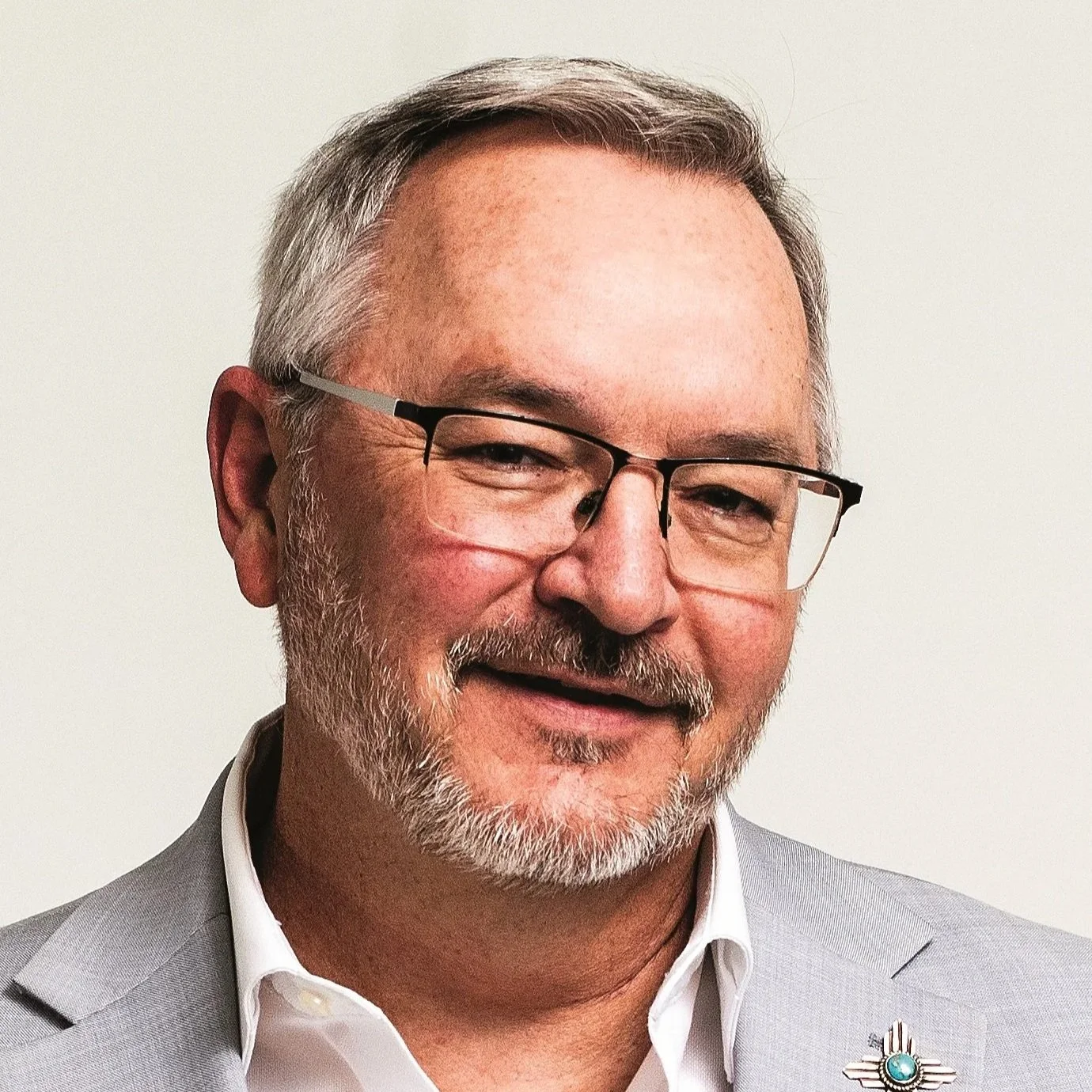
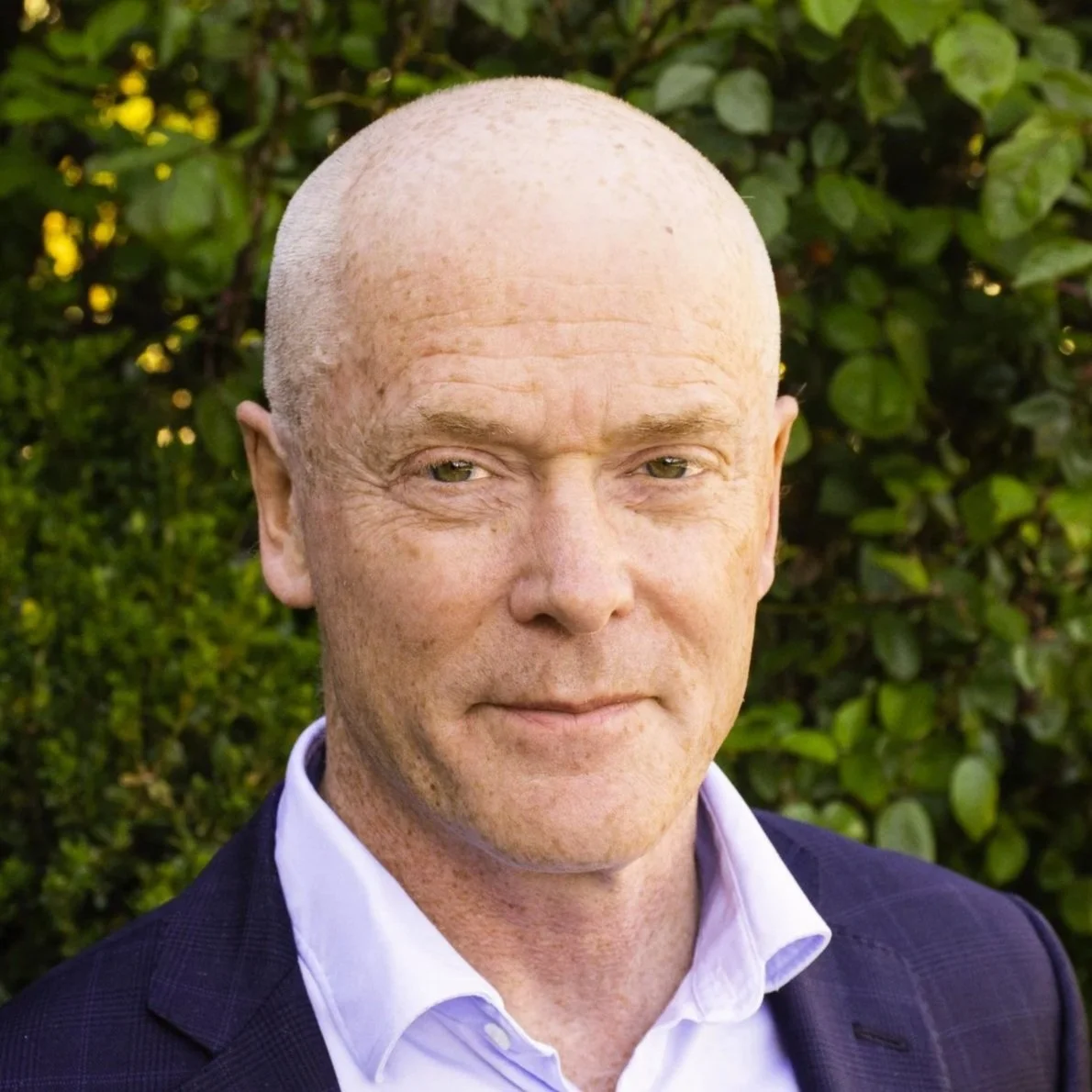
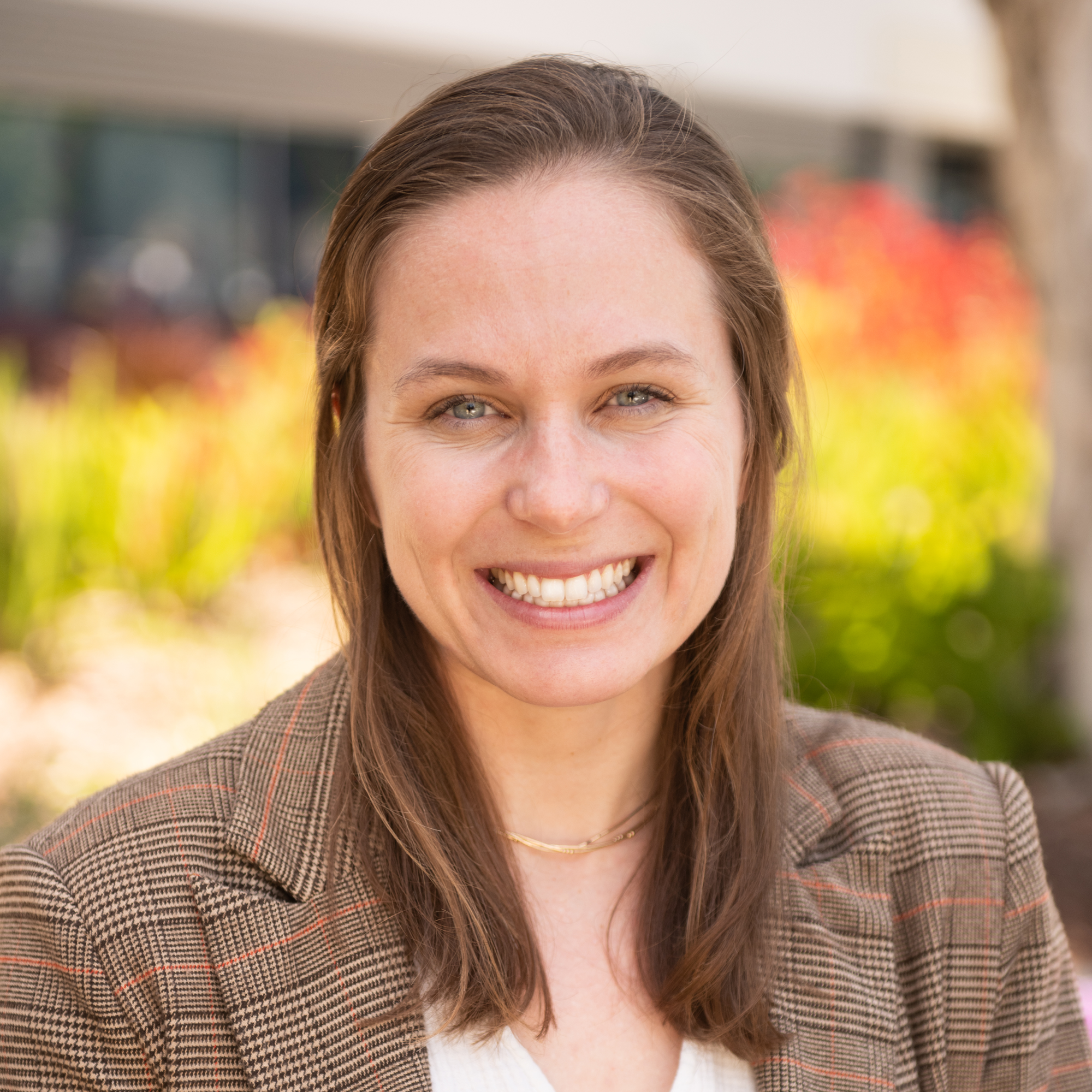
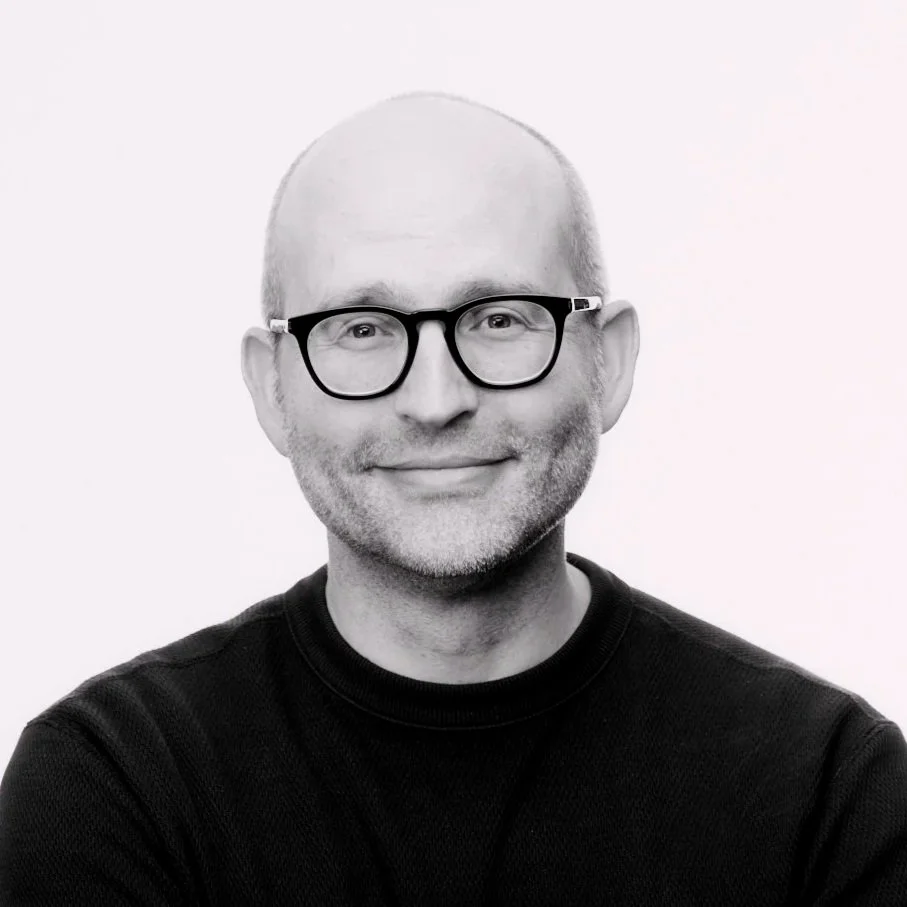
Photos in order: Rob Black, Bruce Brown, Carrie von Muench, Carl Hoiland
This episode was recorded in front of a live audience on April 22, 2026, at the SVB Experience Center during SF Climate Week. (Published on May 12, 2026)
In this episode, we cover:
(0:00) Overview of New Mexico’s development strategy
(2:06) Becoming a climate innovation hub
(4:31) The sovereign wealth fund: $72B capital
(6:27) Investing for returns while hedging energy transition risk
(10:34) Economic growth, poverty reduction, and workforce investment
(14:20) Why New Mexico is betting on climate and energy
(17:32) How the state supports startups: incentives and “white glove” service
(20:26) The shift in strategy: from local funds to global venture partners
(22:36) Scaling the model: billions into venture and new industries
(25:03) Transmission, infrastructure, and enabling energy deployment
(27:00) Building data centers, microgrids, and large-load demand
(35:11) Pacific Fusion: building modular, scalable fusion systems
(35:23) Zanskar Geothermal: AI-driven geothermal discovery and development
(40:23) Why New Mexico: resource potential vs. siting strategy
(45:29) What founders actually get from the state and what still needs work
(50:22) Lessons for builders: permitting, incentives, and scaling fast
-
[Cody Simms] (0:05 - 0:52)
Today, on Inevitable, we are live from San Francisco Climate Week. And we're at the beautiful SVB Experience Center on Market Street. Our guests are Rob Black, Cabinet Secretary of the New Mexico Economic Development Department, and Bruce Brown, Head of Strategic Climate Initiatives at the New Mexico State Investment Council, the state's $72 billion sovereign wealth fund.
Together, Rob and Bruce are driving one of the most ambitious innovation programs in the country for clean energy, deep tech, and climate tech. We'll get into what that program looks like, how it works, and the bet they're making on New Mexico's future. So with that, let's dive in.
Rob and Bruce, welcome to the show. Thanks so much for coming here to do this with us.
[Rob Black] (0:52 - 0:54)
It's a pleasure. It's great to be here.
[Bruce Brown] (0:54 - 0:55)
Great to be here.
[Cody Simms] (0:55 - 2:05)
Before we dive in, I want to give a full disclosure, and I hinted at this to some of the folks in the room before, New Mexico is really personal to me. And this is one of the reasons I was really excited to have this conversation and help our community here understand more about what's going on in the state.
My family is multi-generational there. My great grandfather lived and worked on the Jicarilla Apache Reservation near Dulce in northern New Mexico. And that's where my grandfather grew up.
I've got amazing pictures of him riding on horseback and all this stuff in his childhood. My dad's from Albuquerque. Both my parents went to UNM, which is where they met.
So I'm grateful that they were in New Mexico. And my grandparents lived there until their recent passing. I've been to Albuquerque probably every year of my life somewhere about there.
So seeing the state collide with what I do in clean energy and venture is incredible. And I want to jump right into understanding from you, Rob. I think of New Mexico.
I think of beautiful art galleries in Santa Fe. I think of great skiing at Taos. What is New Mexico trying to do from an innovation clean energy perspective?
[Rob Black] (2:06 - 4:15)
So both of those things are very true. Amazing art, amazing culture, great outdoors. But we're also leading in advanced energy, advanced computing, space and defense.
When you think about a place that's led an innovation, I mean, everybody then first goes to Silicon Valley, right? Did you know that Microsoft started in Albuquerque? But Bill Gates couldn't get capitalized.
And so his dad said, well, if you move back home, I'll put money into your company. So we lost that. We never want to see that happen again.
We want to make sure that we're capitalizing on those companies, those startups, those ideas spinning out of Sandia National Labs, out of Los Alamos National Labs. And an area where we have that unique opportunity is in advanced energy and climate tech. Our governor has led around a very aggressive energy portfolio standard.
So we have net zero goals by 2045. So that's a practical part of what we're trying to do as a state. But we also want to be the place, not just that the deploys the technology to reduce carbon.
We want to be the place where it's invented, commercialized, and then deployed. And so I think that's where we come from in that. And if you think about the things that New Mexico has developed on the energy side, fission, fusion, and fracking were all invented in New Mexico on planet Earth.
You know, Carrie mentioned the big machine here in California, but the Z machine at Sandia is really the history there as it relates to fusion. So we have this unique history around energy with a number two oil producer in the United States, number three natural gas producer in the United States. So all of these different types of energy we have in New Mexico.
And our goal is to help lead that effort to decarbonize whether it's traditional energy sectors, but also leading in kind of the advanced energy sector as well.
[Cody Simms] (4:16 - 4:31)
There's an obvious physical story here in terms of what you're trying to build out. There's also a financial story. So you talked about the state being this large oil and gas producer, talk with us Bruce about what that's turned into in terms of being able to provide resources to the next generation of energy.
[Bruce Brown] (4:31 - 5:31)
I'm with the Sovereign Wealth Fund and the Sovereign Wealth Fund has been around since the state started. It was basically funded with it's a land grant fund started by the federal government giving land to New Mexico and making sure that that land did not dissipate. They said you have to hold this in trust for various government functions.
And so it's been in trust since the state began, but it's become much more valuable recently. Fracking has been just taken off. So when I started at the fund in 2013, it was about $18 billion.
Now it's $72 billion. As you know, $25 billion has been collected from royalties from fracking starting in 2020. So it's really gone up dramatically.
And we expect it to go up dramatically for the near term future. So one of our issues as we look at this is offsetting that risk.
[Cody Simms] (5:32 - 5:39)
And just real quick to interrupt, I think if I'm not mistaken, you're the second largest state sovereign wealth fund in the US growing to be the first?
[Bruce Brown] (5:40 - 6:26)
That's what we believe. So we believe we will, in the very near term be the largest sovereign wealth fund. But part of that is it comes at great risk. So if you look, if you did so all this money is coming inflows from fracking or oil and gas.
And if you do a present value of that, I know this is kind of like obscure term, but if you do the present value of those inflows to 2050, they're worth about $125 billion under current circumstance. If the circumstance change so the energy transition happens faster, so we have a 1.6 degree Celsius raise, it's worth about $10 billion. So the difference between $125 billion and $10 billion is what we're trying to offset as investors.
[Cody Simms] (6:27 - 6:32)
It's like Clayton Christensen's Innovator's Dilemma at a very large scale is what I'm hearing.
[Bruce Brown] (6:33 - 7:05)
That's basically what it is. So it's like, so the state obviously has a big interest in offsetting that risk. If oil and gas happens, if the world just goes crazy and just carbonizes forever, we're going to have a lot of money coming in.
If it doesn't, if there's a transition to clean energy, we want to be part of that. We want to have an industry in New Mexico that takes advantage of that. And it's just good economic sense for us as a sovereign wealth fund to invest that way.
[Cody Simms] (7:06 - 7:18)
And your title is Head of Strategic Climate Initiatives. So this is a very concerted effort to focus on the clean energy and climate implications of the areas that you're able to deploy this funding.
[Bruce Brown] (7:18 - 7:42)
It is. And this is, it's a really new title. It's about eight months old.
And in part, it came from working with Pacific Fusion when people realized if we tap into this, these are huge industries that will come to New Mexico and be transformative in terms of what's happening. And I think Pacific Fusion sort of opened that gateway to what we, what's possible for us to bring to the state.
[Cody Simms] (7:42 - 8:01)
As I understand it, you are returns-focused. You know, you said our goal is to invest in things that will ultimately replace the oil and gas windfall that is driving the state's coffers today. What do you view as being your mandate?
And what does the current fund actually invest in from a state budget perspective?
[Bruce Brown] (8:01 - 8:39)
In terms of what we're doing, so there's arguments, the state has been on the forefront of this. Like the governor has been doing the Energy Transition Act and there's the Regional Renewable Transmission Act Authority. It's been around for a long time.
So the state for a long time has been in clean energy. That's sort of a political item. We're just financial.
And so we're not getting into the politics. It's just what, so we're not pushing one way or the other. It's just like, what are we balancing off?
So it's very much maintaining the assets for the future. And that turns on making profits now.
[Cody Simms] (8:40 - 8:48)
And as I understand it, like the current Sovereign Wealth Fund is largely funding a good chunk of education in New Mexico and funds a significant portion of the state budget, right?
[Bruce Brown] (8:48 - 8:55)
Yeah, roughly 25%. So it's a big deal. It's going to be more, and we don't want to fritter that away for obvious reasons.
[Rob Black] (8:56 - 10:24)
But I think from even broader context, and Bruce is being a little kind to himself about the importance of what they do, New Mexico today is the only place in the United States with universal free childcare. We have universal free two-year, four-year trade programs for college, universal. And so we're taking care of our people and your workforce from cradle to career.
And the Sovereign Wealth Fund is helping us fund that. So we're using those oil and gas revenues to invest in our people and invest in the future in a way that creates economic resilience and opportunity. Because the other thing that's unique about New Mexico, right?
I mean, we talked about your history there. New Mexico has a very long history. We were a colony longer than any other state in the United States, over 300 years.
We have 23 active tribes in Pueblos. We have a part of what that creates is deep generational poverty. And so what we're trying to do in New Mexico is break those generational poverty, those cycles, through creating pathways of opportunity and prosperity for our citizens, and creating a place where businesses can thrive.
And the work that the State Investment Council is doing has created a whole different dynamic about why we are now really attractive.
[Cody Simms] (10:25 - 10:33)
I think I read a stat that in 2018, New Mexico was 50th in family income growth in the United States, and now it's first.
[Rob Black] (10:34 - 11:33)
We are in 2018, we were 50th in family income, median income. Today we're number one in family income growth. So we've seen tremendous movement on the governor's leadership, and that's multiple years in a row that we're there.
If you look at supplemental poverty measure for children, 2018, 50th. Today we're 22nd in six years. So it's tremendous the amount of work and progress we've been able to make.
And we're excited about that momentum. And part of what for me is exciting is getting to work with companies like Zanskar, like Pacific Fusion, who bring incredible both companies with values that I think mesh very well with what we're trying to do while succeeding and growing their companies. And so it's been really exciting to be able to partner.
And you get that when you work with especially within the advanced energy space because oftentimes people are solving really hard problems for society and they come with that mission as well.
[Cody Simms] (11:34 - 11:58)
You got this windfall budget from oil and gas, you're able to put that back into the state budget, fund things like childhood education, which I think you said was a quarter of the childhood education funding in New Mexico coming from that. You're now also investing into the next generation of technologies that can come in and be the future, should oil and gas start to decline. So thus maintaining the future budget for the state.
[Bruce Brown] (11:58 - 12:20)
That's the hope. I mean, we really hope to create new industries. I mean, people often talk about New Mexico in terms of investing in terms of a double bottom line. We're really not doing the accounting on the second part of that double bottom line.
We're really just trying to build big companies or industries that would come to New Mexico and be transformative.
[Cody Simms] (12:20 - 12:26)
Bottom line one being returns, bottom line two being economic advantage in the state?
[Bruce Brown] (12:26 - 12:53)
We're basically returns. I mean, we monitor returns. If you want to be working with us as an investor, the table stakes are you have to find something in New Mexico to invest in. But in terms of what we're monitoring, it is returns.
And we expect you to be able to make money in New Mexico. And we expect people we invest in will be doing that. And if they don't, you know, it's just it's an economic relationship.
[Rob Black] (12:53 - 13:46)
So if I could, yeah, I mean, my job then is to make sure you can make money in New Mexico, right? So I run the Economic Development Department. I'm in charge of tax incentives.
I'm in charge of helping to support you on site selection, helping you align your workforce with community colleges or universities. So we have a unique interest because if your company is successful in New Mexico, you're paying a return. We're literally your partner.
We're investors, right? So you're paying a return back to the state. But I'm also, this is the other bottom line is we get jobs and economic activity, tax base happening on the ground.
And the beauty about advanced energy is it's triple bottom line, because we're also solving hard to solve climate problems for the world. And we're doing that with some of the most innovative companies and innovative VCs in the world.
[Cody Simms] (13:46 - 14:19)
So on the returns part, Bruce, you guys are investing actively in clean energy, climate, so, you know, fund managers and fund managers who are talking those things. In addition to, I believe, defense and deep tech broadly, did you decide that, ‘oh, those are the sectors that are going to drive the future of returns for venture? And thus, we're going to build our fund strategy around that?
Or is it we're going to pick the best managers? And if they invest in those things, it fits the mandate of what our economic development from the state wants to do.’
[Bruce Brown] (14:20 - 14:39)
Yeah, it was really a combination of the two, because we are looking for returns and we also have a mandate of investing in New Mexico. And not everything that's going to have returns is going to be investable in New Mexico. Like some, there might be some AI that happens in New Mexico, but largely that's going to be a Bay Area thing.
[Cody Simms] (14:39 - 14:39)
Yeah.
[Bruce Brown] (14:40 - 15:41)
Something like advanced energy, that ought to happen in New Mexico. We have the sun, we have the wind, we have the geothermal rocks, I mean we have everything, we have the scientists.
Everything should work there. And this is, so that theme works for us. And it happens to be, we're getting very lucky with this.
I mean, it happens to be making better money than most other types of areas in the last six years. You probably know better than I do. But it has been a hot area for investing.
When people are trying to get out of SaaS as investing, they're looking for deep tech things. They're moving into this. This is more dependable.
In terms of returns, there's the whole industry is changing. So the $11 trillion energy market is going to be moving from oil and gas to clean energy. At some point, how fast that happens is a matter of policy, but you can see it's going to happen.
And we're going to be part of that. We're going to be investing at sort of the first level and helping to have that happen.
[Cody Simms] (15:41 - 15:58)
And for the fund managers in the room who are like, ‘oh, this sounds great, sign me up!’ What type of funds are you looking for beyond the fact that they generate great returns or they're, you know, you've done very large investments, you've done accelerators and incubators, I think, right? So maybe describe a bit about what the mandate looks like.
[Bruce Brown] (15:58 - 16:49)
So yeah, we have a lot of flexibility in terms of what we can invest in. So we do invest in small companies. We invest in people who are integrated across the capital stack.
We're invested all over the place. One of our, you know, one of our ways of finding people to invest with is people who we identify as being good investors. And we have a very parochial way of looking at that, which is if you're a good investor and you found a way to make money in New Mexico, that to us is a prime investor.
And anybody who has found a way to do that, we will look at the cap table. So for instance, with Pacific Fusion, we looked at that cap table and who was investing in them already. And one of them was somebody who already invested in another person, another company was Lowercarbon, which just happens to be an excellent VC.
And, you know, using that information, we went back to Lowercarbon and put in an investment with Lowercarbon.
[Cody Simms] (16:50 - 16:53)
Anchored their fusion fund, as I understand it, right?
[Bruce Brown] (16:53 - 17:09)
We did.
Yeah. You know, and that was part of that. And part of that was, these guys are excellent investors.
They know what they're doing. We see their impact on us already. We do a little research and go into them full hard.
[Cody Simms] (17:09 - 17:32)
Rob, maybe describe, we heard from Carl and Carrie earlier about ways they're leveraging the state to help them advance their mission. Let's hear it from your side. How would you describe how New Mexico supports the startups?
So we've heard from Bruce about how you support funds, but then ultimately funds are investing in startups, startups land in your state and want to do things. What can they get from you? How do they work with you?
[Rob Black] (17:32 - 19:24)
So what we try to do is really create ‘white glove service’. So if you're a startup or you're a VC and you've got a portfolio company that you think might be a good fit. And again, where we're uniquely positioned is in advanced energy, advanced next-gen compute quantum space and defense.
Because of the history of the labs and our workforce, we have the highest concentration of PhDs in the country in New Mexico. Highest concentration of R&D spent in the country is in New Mexico. So we have this unique space.
So then my job is to work, I'll take a call. And if you come and talk to me and you get my business card, you're going to have my mobile number on it. How many economic development secretaries in the US today will give you their mobile card?
So that's what we mean by ‘white glove service’. And it's also a small community. So I'm going to connect you with other cabinet secretaries.
We're going to make sure the governor's got visibility. We're going to work directly with local cities and counties on the permitting. My team does all of that.
We'll even work with you if you say, I need a building that looks like this and has rail service. We're going to help find those sites for you, we have a site selection team that will help get that for you, come bring that back to you for review. And then my team will model an incentive program that will be competitive.
If you're manufacturing something, we're going to be competitive with any state in the United States. Because that's where a lot of, and R&D, we're pretty darn competitive as well. So we're going to lean in on supporting that.
So we really do, again – ‘white glove service’– one place for contact. And our goal is then to partner with you. Because we want to make sure that Bruce is getting his returns and the state's, our people are getting those high-quality jobs.
[Bruce Brown] (19:24 - 19:39)
So part of our goal, too, is to make sure the right companies are coming to you. Yeah. And part of that is working with venture capitalists or private equity people who understand the market and can pick out the companies that are likely to be succeeding.
[Rob Black] (19:40 - 20:09)
It is a great thing for us because that de-risks the conversations I have. When we're working with really reputable VCs and their portfolio companies, and they may be at a stage where they're headquartered here in San Francisco, or El Segundo, or wherever. But now they need to do their R&D facility, or they need to build their second manufacturing place.
Again, great opportunity for us. It's already de-risked. And we're going to make it very easy for that company to say yes.
[Cody Simms] (20:09 - 20:25)
When did this all start clicking? As I understand, the State Investment Council has been around for a while and had a first alliance with venture that maybe didn't fully work out. And now you have decided to double down in this clean energy, climate, defense area.
[Bruce Brown] (20:26 - 20:39)
There was a real shift about 2019. And the shift was, we decided we're not going to be focused on the managers. The program we were running was really focused on local managers.
[Cody Simms] (20:40 - 20:41)
Trying to invest in funds that lived in New Mexico.
[Bruce Brown] (20:42 - 21:39)
Right. And we realized that that was not a winning strategy because what you really need is exposure to the entire market, and the world, and people who understand the entire world, who will come to New Mexico and be able to identify those things.
So it was really 2019 when that happened. We were under, previously we were under a statute which required us to invest only in companies that were headquartered and had a majority of their employees there. Slowly, we sort of loosened those requirements contractually.
We just made them unenforceable. And then at some point in 2025, we decided to free ourselves from the statute entirely. And now we're operating under policy rather than under statute.
And the policy of the board is that you can invest in anybody who brings economic activity to New Mexico. So that means any company that's going to have any impact in New Mexico, we can invest in instead of having it very narrowly defined.
[Rob Black] (21:40 - 22:36)
So it's really been in under that context about 18 months. And within months, we had that conversation with XGS Geothermal. So their enhanced closed loop system.
They first looked at New Mexico because they were funded by a fund funded by the SIC. That was May of last year. They're now building a 150 megawatt enhanced geothermal plant to support Meta's Data Center.
Carrie, Pacific Fusion. I think you have four funds that are funded through the SIC that have SIC funds part of Pacific Fusion. Castelion Hypersonics building the largest hypersonic missile manufacturer in the United States funded by a fund funded by the SIC.
We're seeing incredible deal flow. And I'm talking to probably eight to nine venture funds a week and almost twice that as far as portfolio companies thinking about New Mexico now.
[Cody Simms] (22:36 - 22:41)
The number I saw was 1.8 billion committed to 30 venture funds in the last four years.
[Bruce Brown] (22:42 - 23:02)
It's probably two years. We're moving fast. And we're moving very fast.
And that's committed so it's not necessarily invested. But we're moving as fast as we can. And the more money, I mean, we're making an argument to invest as much as we possibly can.
And that argument is dependent upon those initial companies making money.
[Cody Simms] (23:02 - 23:06)
Is it just venture? Are you doing all forms of construction budget?
[Bruce Brown] (23:06 - 23:24)
We have started doing larger funds that are specifically geared towards New Mexico. We have not gone in. We've got a couple of funds that we've well one fund we did and we've got a couple we're talking to.
But the idea is to reduce the sort of return requirements and make larger investments.
[Cody Simms] (23:25 - 23:30)
I assume the State Investment Council has investment mandates beyond just venture and alternatives, right?
[Bruce Brown] (23:30 - 23:34)
Yes. No, there's a whole stack.
I mean, we invest in everything.
[Cody Simms] (23:34 - 23:34)
Yeah.
[Bruce Brown] (23:34 - 23:35)
And we also hold cash.
[Cody Simms] (23:35 - 23:38)
It's just that this strategy is new and obviously moving quickly.
[Bruce Brown] (23:39 - 23:48)
Right. This has been where the traction has been.
And this is where the focus has been. I mean, our infrastructure funds typically invest worldwide without a particular focus on New Mexico.
[Rob Black] (23:50 - 24:17)
One other thing I would share with that. So that's all happening from the capital side. The legislature this year added two hundred and eighty million dollars new money to my budget for non-diluted funds for incentives for setting up innovation hubs for endowed chairs.
We're investing from again from the state side as well as from the capital side to make sure that we're creating an opportunity for success for the companies who want to choose New Mexico.
[Bruce Brown] (24:17 - 24:40)
I think something one thing you have to understand is just this flood of money that's coming in because of fracking and New Mexico is being very, very responsible about how they're treating it. It's I mean, they're not frittering it away. It's being used very much to invest in the future and the programs that EDD is sponsoring at very much geared towards building the state for the future and using all of this money a very productive way.
[Cody Simms] (24:40 - 25:03)
One of the questions I asked Carl earlier was, you know, you are building all this clean power. You don't want it to just be stranded. You need it to connect to where it needs to go.
How is the state moving faster on transmission, on interconnection, on distribution, on all the things that clean energy companies need to be ultimately successful, generating the power that people are buying from them?
[Rob Black] (25:03 - 25:09)
RETA. So the Renewable Energy Transmission Authority, it's I don't know, 20 years around...
[Bruce Brown] (25:09 - 25:09)
2008.
[Rob Black] (25:10 - 25:53)
Thank you, sir.
They are really – their focus is building that transmission and partnering with industry to do that. So we've put a lot of effort into that. We've just, New Mexico is currently the home to the largest wind farm in North America.
Pattern has built that out and we've just, I think they're testing right now, the SunZia line, which will run that power from Eastern New Mexico all the way to Southern California. So we're really making sure that we can deliver those electrons where we need to and we're doing it while not as fast as we would like, faster than anywhere else in the country.
[Bruce Brown] (25:53 - 26:10)
There's also the Four Corners transmission lines that were from the 60s, I think, because of coal and the coal has been in the process of being taken offline. So hopefully there will be a substitute for solar moving in and other sources into the Four Corners area of New Mexico.
[Rob Black] (26:11 - 26:40)
We've really focused on microgrids. So how do we do that in a way that allows for distributed generation, whether that's for large loads and data centers or other types of needs. So we passed new legislation last year.
So those of you who are really, it's really important to get speed to market and you need 20 megawatts or more, if you're willing to bring your checkbook and build your own energy infrastructure, you don't have to go to the public regulation commission to do it.
[Cody Simms] (26:40 - 26:48)
We've been mostly talking about new forms of generation, but you just turned the corner to the other direction. We made it almost 30 minutes in a clean energy conversation without talking about data centers.
[Rob Black] (26:49 - 26:49)
Sorry about that.
[Cody Simms] (26:50 - 27:00)
What is the, you know, who are obviously right now, mostly the ones needing time to power. What does the data center development roadmap look like in New Mexico today?
[Rob Black] (27:00 - 28:49)
Today in New Mexico, if you're going to build a data center, you need to bring you're going to hold our rate payers harmless. So you're either going to make sure our tariffs are such if you're plugging into the grid that you're covering that cost, that your water utilization is closed loop or equivalent technology. If you're using our incentives, you're going to do that work under prevailing wage agreement so that you're making sure that our people are getting paid.
So we're again, we're trying to build pathways to opportunity. So we're building in all of those sort of community benefits and protections. We want to make sure we're protecting the environment.
And if you plug into the grid, on your microgrid, you have to meet our 2045 net zero goals. But what I also, you know, would say is Meta has been an amazing partner for us. They have built out transmission, paid for it themselves.
They've built out, with NextEra, major battery storage and solar farms. They're paying for XGS Geothermal to build a 150 megawatt plant. So they're helping drive the innovation.
And it's those large load folks with checkbooks that allow us to iterate faster on event synergy. So I think you have to really think about how do we get to the end goal on that? And then how do we decarbonize what is already there?
New Mexico today, because of the environmental regulations around methane and other things that we do that we put in place in New Mexico has the cleanest barrel of oil and lowest carbon unit of gas in the world. And we've done that and the governor has been very focused on where it's hard to decarbonize. Let's focus on making sure we can get it as clean as possible.
[Cody Simms] (28:49 - 29:00)
How do you and your team divide your time between talking to startup founders, talking to the utilities and talking to the big hyperscalers and ultimately power buyers in these markets?
[Rob Black] (29:00 - 30:08)
Most of all, you don't sleep. It is, again, it's a small community. We have great networks. I work extremely well with our EMNRD team.
So that's Energy Minerals and Natural Resources. Our PRC, which is our Public Regulations, is CPUC here equivalent, as well as our Environment Department. And having that sort of collaboration is really, really important.
One of the things that we learned early on, and it was great that we had when Pacific Fusion came in, is we have a specific person who works in the Environment Department whose job is to liaison with the Economic Development Department to make sure that we're moving hand in glove and collaborating. Because my fellow cabinet secretary, Jim Kenney, he's an environmentalist, but he really wants to be an economic developer. And I'm an economic developer who's an environmentalist.
And so we're really trying to see how we make sure we work together so that it's a "yes, and" kind of conversation around economic development and decarbonizing our economy.
[Cody Simms] (30:09 - 30:28)
Bruce, the way I see the vision of the State Investment Council is, if I'm a fund manager, I sure I guess I could get on an airplane and go to Riyadh or Dubai, but it sure would be a lot better to go to Santa Fe, right? It's like, do you think you can be at that scale in terms of attracting fund talent to come want to work with New Mexico?
[Bruce Brown] (30:29 - 30:34)
We are. I mean, I think we're working with some of the best VCs in the world. And I think as a VC yourself, you understand...
[Cody Simms] (30:35 - 30:43)
By the way, I have not been on a plane to Riyadh or Dubai to go raise money, just to be clear. And I sure would love to go do it in Santa Fe someday.
[Bruce Brown] (30:45 - 30:53)
Yeah, and it's the sort of thing. It's like, if you could do this anywhere in the world, would you prefer to do it in Santa Fe or the middle of a desert?
[Cody Simms] (30:54 - 30:54)
Right.
[Bruce Brown] (30:54 - 30:59)
I mean, obviously, we hope we're preferable to that. And that's where we hope to be.
[Cody Simms] (31:00 - 31:06)
What do you guys think the innovation economy looks like in New Mexico in a decade?
[Bruce Brown] (31:06 - 31:21)
I think it's going to have its own flywheel. I mean, I think there are going to be, our hope is that there are funds that are going to be specifically designed for New Mexico that outside investors want to invest in because New Mexico is such a great place to build a business that other people want a piece of that.
[Rob Black] (31:23 - 32:26)
We will be the leader in fusion technology in the world. We will be the leader in quantum computing, quantum sensing, quantum communications in the world. We already have the highest density of quantum scientists in the United States, if not the world.
We've got partnerships with DARPA doing our validation and testing around quantum computing. We've got the investments that we're making with great VCs like Lowercarbon, like Antler, like Upfront, a whole bunch of folks around these energy sectors. And we've got a very, very hungry attitude because, again, our mission, my team's mission, every day when we get up, create pathways of opportunity for our New Mexico citizens and a place for businesses to thrive.
And I think with that commitment, with the investments that the state investment council is making, they're going to be at $100 billion in about five or six years. A lot of people are going to want to participate in that.
[Cody Simms] (32:27 - 33:16)
You know, Bruce, you mentioned the flywheel. And one of the things I see that I think is really special in our portfolio at MCJ is we're starting to see some of our larger portfolio companies like Crusoe and Base Power and others start to partner with the smaller companies in our portfolio. And we're seeing synergy start to happen.
And when you're building physical things, those synergies that happen have to go happen on locale somewhere. So when you attract an anchor company like a Pacific fusion or a Zanskar, and they start partnering with other startups, it's pulling those startups into your physical economy. It's very different than in a world where everything is SaaS and it's like, you can live forever and you're hooking up with an API somewhere.
You know, you're actually hooking up into plugging something into something and it requires those companies to come be there.
[Bruce Brown] (33:17 - 33:37)
We think that's a huge advantage. I mean, our labs have been collecting world scientists for a long time. I think we're going to collect technologists for a long time, largely because it's a nice place to live.
It's relatively inexpensive. And if everybody is coming here, if this is the place where you do it, it's just a very easy way to build your business.
[Rob Black] (33:38 - 34:20)
And we're thinking about it as an ecosystem too. And I think you've articulated that well in that context. But a great example of that is this last legislative session.
Again, with Pacific Fusion's both requests and support, we incorporated 45x federal advanced energy tax credit into New Mexico law and added fusion so that where there are companies that are in that supply chain for advanced energy, we're going to be able to create additional incentives and support for that. We want to make sure that we're building resilience for your company on shoring, near shoring your suppliers, but also then working with customers to help support you in that regard as well.
[Cody Simms] (34:20 - 34:58)
I think particularly at this moment in time when some of the federal support around some of these technologies, some are thriving in an age of AI, but around some of these lower emissions technologies has been waning. Being able to have states step up as leaders to drive more incentive, more engagement on them is a huge act of leadership. So thank you.
And I think with that, maybe we'll wrap up for this conversation on the podcast. I really appreciate you both coming to San Francisco to have this conversation and all that you're doing to support our clean energy economy right now.
[Rob Black] (34:58 - 34:59)
Cody, thank you.
[Bruce Brown] (34:59 - 34:59)
Thank you.
[Cody Simms] (35:00 - 35:11)
So we have Carrie von Muench, Co-founder of Pacific Fusion, Carl Hoiland, Co-founder of Zanskar Geothermal. Why don't each of you take a minute and introduce yourself, describe what your company does.
[Carrie von Muench] (35:11 - 35:22)
Great to be here. Thank you, Cody. And nice to see so many familiar faces in the room thinking about New Mexico.
Pacific Fusion was founded a couple of years ago now to build modular, scalable, affordable fusion power systems.
[Carl Hoiland] (35:23 - 36:22)
Hi, everyone. I'm Carl Hoiland, Co-founder and CEO at Zanskar. And it's a real honor to be here because not everyone knows this.
But just over six years ago, when we really started pitching the concept for our company, we faced a lot of nos trying to build a tech-enabled vertically integrated geothermal development company, which is what we are. Most of the response was, that's crazy. And the first yes we ever got was from My Climate Journey.
A group that had already been thinking about the importance of baseload power and the importance of technology-enabled solutions to this and sort of said, maybe. And that maybe eventually turned into a yes. And now we've raised $200 million, we're based in Salt Lake City, and we've become the eighth largest producer of geothermal power in the country.
But the thing that has set us apart is that we're the first to build and commercialize artificial intelligence that can actually solve the discovery and de-risking problem of geothermal resources. That's how it finds them underground. And the first place we've gone to really show this and demonstrate it at commercial scale is in New Mexico.
So very excited and proud to be here today.
[Cody Simms] (36:22 - 36:47)
I'm excited to dig into all of that. And I think one of the things maybe just to even start the conversation before we get into New Mexico, the two of you have both innovated on your capital stack. Maybe just shed a little light on that in some way.
And Carl, you just announced a pretty interesting development funding resource that you landed into Zanskar. Maybe talk a little bit about that. And you mentioned that you raised a couple hundred million dollars of venture capital on top of that.
[Carl Hoiland] (36:48 - 37:35)
Yeah. So one of the reasons a lot of people said, no, six plus years ago was these things are going to take a lot of capital if you need to build real projects to prove this at scale. And there's no way venture can fund that all the way through and it probably shouldn't.
And so we've always known we needed to over time mature into lower cost forms of capital, project based capital. And that can include construction finance and development capital. And so what we actually announced just last week is the first-of-its-kind for geothermal, a development capital facility, securitized by the assets themselves, which have intrinsic value in this non-recourse to the top-co company.
But it allows us to fund the early development work. So interconnection and the studies permitting a well field development. And as the projects advance, they create a stronger and larger borrowing base so that it actually grows over time and allows us to really reduce the amount of top-co equity needed.
[Cody Simms] (37:35 - 37:46)
The super cool structure we were talking before the show, you know, I was thinking of it. It's almost like a home equity line of credit. But as your home grows in value, you get access to more debt securitized by your home.
[Carl Hoiland] (37:46 - 37:46)
Exactly.
[Cody Simms] (37:47 - 38:02)
It's sort of the way I think about this super fun structure. And then Carrie, you guys really innovate.
I mean, they raised a $900 million series A, right? But the way you structured that deal is incredibly innovative. Maybe share a little bit about how you did that.
[Carrie von Muench] (38:02 - 38:37)
Yeah, I mean, a lot of what Carl said really resonated. If you're trying to build big hardware projects, you are screwed if you're stuck working solely in the venture markets. And in the context of a fusion, right, we founded this company because we knew we could build a net facility gain capable system in just six years and that it was going to take over a billion dollars to do that.
And we also knew it might be a whole lot easier to find the first $100 million in the next nine. Because that's not an investing motion that the venture market knows, right? It's not like there are a bunch of other fusion companies and everyone knows exactly what a series B fusion check looks like and a series C fusion check....
[Cody Simms] (38:37 - 38:40)
Well, there's not commercial milestones and you don't even know what those technical milestones should be, right?
[Carrie von Muench] (38:40 - 39:43)
Because they're different for every approach and take a lot of expertise to assess. And furthermore, when you're building new corporate projects, you have to place long lead procurements that take often four or five years to deliver. You have to get buildings built.
Like that's not stuff you can do if you only have two years of runway. But on the flip side, I don't think there are actually that many success stories of companies raising a ton of capital at founding, having that sit in their bank account, having that go well. That's unusual.
And so we borrowed a model that some old colleagues of mine had done in biotech a few times where everybody knows that you've built something incredibly valuable if you hit big milestones. In our case, build a fusion machine that produces more fusion energy than everything stored in the system. And you collect all the capital that you need to do that.
And then you call it in tranches as pre-agreed milestones are achieved along the way. And we were really fortunate to have a fantastic set of early investors. MCJ was one of them.
Awesome. General Catalyst led our round. We've got a great mix of individual and institutional folks around the table.
Our board members, Eric Schmidt, Patrick Collison, Hemant, all just want to see us go as fast as we can to achieve this big goal. And so...
[Cody Simms] (39:43 - 39:48)
We are a small piece of a $900 million round just to be clear. Some day, maybe we could be much bigger.
[Carrie von Muench] (39:49 - 40:04)
I think it's very possible that you guys have made more talent interactions potentially than anybody else on our cap table. Anyway, point being we got a clear plan, you can execute against the plan. And that's enabled by a set of early investors that are super, super, super aligned against this medium-term goal.
[Cody Simms] (40:04 - 40:22)
All right. So let's start talking about New Mexico a little bit. Carl, how did New Mexico become part of the Zanskar story?
You came into New Mexico in different ways, for sure. We were talking about this a little bit before. And I think it's fun.
One of you is more bottom-up. One of you is more top-down. So tell us about Lightning Dock.
[Carl Hoiland] (40:23 - 41:24)
Yeah. So we got started out there. My Co-founder and I actually, we were looking for areas to pilot our technology over six years ago, and some of the new sensors and data analytics approaches.
And we were drawn to New Mexico primarily because of its resource base. Right. It's an area that has historically seen very little geothermal development.
They only had one very small plant that had been operating. But the potential under the ground was enormous. Most of it you just couldn't see because of the dry arid climate.
You rarely see those hot springs or those indications. And so it was a perfect area. We wanted to go and show what this untapped potential was.
And so six years ago, we deployed sensors down there. We started collecting and we were kind of telling the other operator, like, the site that you've been operating probably has a lot more potential. And we never actually found a way to get them to act too fast on that.
And what ended up happening is just over a year and a half ago, that site came up for sale. It had been underperforming for years. It was actually at risk of being shut down and decommissioned within the coming months.
And we said, these datasets are saying there's an enormous resource underground. Let's see if this is our chance to go prove it on a full scale.
[Cody Simms] (41:24 - 41:31)
Just to be clear, when we wrote our first check into the Zanskar, they're like, we're an AI company. We don't have any CapEx. Like, what are you talking about?
[Carl Hoiland] (41:32 - 42:40)
Maybe that's why the yes was there. I mean, the industry was still so early. Nobody knew how it would evolve, right?
And so I think even the entire kind of suite of geothermal, even some of the nuclear companies was, you might have to vertically integrate, but let's hope the market evolves. This was one of those realities of the existing industry was moving too slow. And if we wanted to have real impact, vertical integration would be the only way.
In retrospect, it's turned out to be a huge gift. Not only do I think it's a better and long-term business model with stronger moats, it allows you to innovate and test your own ideas faster, and so the learning cycles have sped up. And in this case, we acquired the plant, became operators, and in less than 12 months with support of the state on permitting and regulatory sides, we were able to come in there quickly, drill a new well, and bring that plant back to its nameplate capacity.
And the resource we hit was so exceptional that first well is now the most productive pumped geothermal well in the country, maybe in the whole world. It's sort of the latitude and longitude on my hat here, just so we remember it. But the resource is also big enough we're now beginning expansions of that same site.
So a resource that had been seen as one of the worst in the country, and a reason people didn't come to New Mexico is remember that plant, now is seen as one of the best performing assets in the world.
[Cody Simms] (42:40 - 42:42)
That's amazing. And Carrie, how about your story?
[Carrie von Muench] (42:43 - 43:33)
We never tried to be an AI company, not once. We knew from the beginning we had a billion dollar capital project to do. And so one of the big questions naturally is where you're going to put that.
It's the world's largest inertial fusion facility, applications in both energy and defense. And for us, natural places to consider were near the largest inertial fusion facilities in this country, and our partners at the National Laboratories - Livermore, Sandia and Los Alamos, and that meant looking in primarily New Mexico and California. And the initial introduction to New Mexico was to the then secretary of the Energy Minerals and Natural Resources Department.
We had a bunch of people on our cap table who were GPs of the SIC who made a number of other helpful introductions. So I don't even know if it's top-down. It was more like a bunch of people at once to figure out what it'll take to get this...
[Cody Simms] (43:33 - 43:36)
Top-down in that you weren't trying to do business in the state to begin with. You were trying to decide if it was the right place and then you made a decision to go there.
[Carrie von Muench] (43:36 - 44:23)
Yes, yes. And we, I mean, I imagine there's some folks in this room who are familiar with the realities of getting big projects built. We felt really strongly about completing entitlements prior to making a site selection decision and getting all of the state incentives approved and actioned prior to making a site selection decision, which is unusual because that's a lot of work.
But what it gives you the chance to do is actually get to know the constituents in your communities, actually get to know your local policy makers, your state leadership, and work through a bunch of problems with them prior to making a final decision. And that's what we did in New Mexico. We were able to get entitlements done in about four months on our site and get all of our incentives actioned by the end of last year.
And now we're off to the races. We're getting ready to break ground in the next few months. We've got a 200,000 square foot build center that we've commissioned and the hard part starts, actually getting this built.
[Cody Simms] (44:23 - 44:31)
And how are you splitting resources between your company's still headquartered in California, I believe? How are you splitting resources between here and what you're doing in New Mexico?
[Carrie von Muench] (44:31 - 45:03)
Yeah, California's our corporate and R&D headquarters. A lot of the team right now in California is our science engineering team. So a lot of our technical leadership team are the people who built the last big fusion facility built in this country and the only one to work, which is the National Ignition Facility about 50 miles from here or so.
And we've hired a lot of the engineering talent that has previously worked a bunch of Bay Area hard tech companies. New Mexico is where we're executing the project that has been largely designed in California. So we're adding certainly operations and engineering staff there, but also a production workforce to actually build.
[Cody Simms] (45:03 - 45:10)
You're building the fusion machine in New Mexico?
[Carrie von Muench] (45:10)
Yes.
[Cody Simms] (45:10 - 45:28)
For either of you, I'd love to hear ways that you've worked with the economic development department, the teams in New Mexico, where have been areas that they've been able to help with roadblocks that founders in the room should know about. If they're thinking about, you know, should I go to New Mexico, Arizona, Utah, wherever to go build my clean energy project?
[Carl Hoiland] (45:29 - 46:20)
Yeah, I can start. And one of the things that has impressed us most is just how proactive they've been about trying to get ahead of what industry will need, bringing us all to the table with academics, with companies, with government agencies and really saying, how do we make this happen? How do we get private capital flow into the state?
And how can we ease that pathway? So an example is the Energy Minerals and Natural Resources Department proactively organized the geothermal working group in the state saying, we want more of this, which is so different than the normal of us kind of trying to convince the state that they should be supporting geothermal. They said, yes, we want this.
How can we make this happen and bringing stakeholders together has allowed them to start proactively changing regulations in a way that is right sized to the emerging technologies rather than saying go fit into the regulations from 40 years ago or try to fit into oil and gas regulations that just don't quite work. And that has allowed us to have more clarity on how we're going to scale within the state. And it's been a great way.
[Cody Simms] (46:20 - 46:43)
I mean, for both of you, you're both building large scale energy resources. New Mexico has a lower population density than many other states. Is there, you know, we need to build the energy, but then we need to connect it to where it needs to go.
Like, are you finding you're getting help and support? You're probably early for this right now. I'm guessing Carrie, but Carl, like help and support on getting transmission and getting the actual grid infrastructure build out to support your power plant?
[Carl Hoiland] (46:43 - 47:06)
Yeah. And there's a number of things when it comes to interconnection that are really outside of the state's control, right? Some of this is at a federal level.
But the amount of support within the state and sort of whether it's just emotional support of, ‘oh, that's hard to actual, how can we get in there and try to find ways around this?’ Right. Interconnection is just a tricky subject, but we've been able to actually move faster in New Mexico than we have in any of the other states we're working in to be able to expand the capacity at our existing site there.
[Carrie von Muench] (47:06 - 47:11)
I guess just on that point, right? When you're working in a vertically integrated state, the question is who's your utility partner?
[Carl Hoiland] (47:11 - 47:11)
Right.
[Carrie von Muench] (47:12 - 47:36)
And how quickly do they want to move? And which human at the utility is invested in making you successful? And a lot of that is in working through the siting process for power systems in order to then minimize the interconnection risk and the interconnection schedule.
And so far, we found a number of the New Mexico utilities to be super helpful and responsive through the RFP process, through identifying site options, and through just making sure we can answer the questions we need to answer to figure out siting for our first power system as quickly as we can.
[Carl Hoiland] (47:36 - 47:53)
Sure. And maybe for those that are kind of looking at the state, they do even have dedicated working groups and special kind of ops teams. RETA is one to call out that maybe we'll speak about later that are really saying how can we use all of the powers that the state has to help make these projects focus on where we might need new transmission or upgrades to be proactive about where the build-out will be?
[Cody Simms] (47:53 - 48:00)
Where have you found the talent pool to be the right fit for you? And where are you finding there are gaps in the talent pool?
[Carrie von Muench] (48:00 - 48:59)
It's an interesting question. We're still early on this journey, right? We've hired our first 30 or so people building the team to around 200.
So we'll see how it goes. I think it's a small community, right? Two million people compared to like seven or so million in the Bay Area.
And as a result, the answer to that question tends to depend on the role and just like on the specific human you find for the role. One thing that's been awesome about New Mexico is the skilled technician workforce that exists there. And for us, it's really about hiring the foundational team that's going to come learn how to build our stuff and then working with local educational institutions to build technician training programs such that we can train the workforce that we need.
And those local institutions, especially a bunch of the community colleges, have been incredibly helpful in helping us stand up those curricula now. On the leadership side, it's just, it's just, it's hard to generalize because you're looking for a specific role. You find someone or you don't.
You find someone else, you bring them in. But really, like for a lot of these leadership roles, you find three or four people in the state that would be great in the job and you get to know them and you see if they're a fit. And then if you need to look externally, you do.
[Carl Hoiland] (48:59 - 49:34)
And similarly, I mean, one of the concerns we had when acquiring this power plant, which was a pretty fast-moving process, we'd never owned and operated a plant before. This company or team in power roles had was a concern of could we really operate this down there with the talent, was the staff capable. And so a big focus of our diligence was going down and spending time with the team on site and some of the community members.
And we really just came away and pressed with, actually, this might be one of the best parts of our acquisition, is the team that's coming with it and our ability to not just commit to them long-term, but their ability to really drive value in the project there. They've been exceptional, they're great operators, great technicians.
[Cody Simms] (49:34 - 49:39)
They had to be fired up that you've unlocked a lot of capacity that they were trying to solve for a while. Yeah, there you go.
[Carl Hoiland] (49:39 - 50:08)
Yeah, and there's really, I mean, so we were down there, it takes 30 days to drill one of these deep wells and you don't know the answer to the very end. So this was January of last year, and I remember being down there and the staff was coming out and there's this anxiety, right? If this doesn't go well, this might be it for the plant and kind of asking, how's it going?
Do we know yet? Do we know yet? And when that final result came through, when you're kicking off that flow test, the excitement amongst the whole team has been incredible.
And they're really just a part of our core team. They come to our annual retreats, they come to our all-hands meetings and it's just been great to see that connection between our other field campuses.
[Cody Simms] (50:09 - 50:21)
Where do you both wish the state could provide more support? You've both been proud drum beaters of the New Mexico ecosystem so far. Where are they still working through ways to help you?
[Carrie von Muench] (50:22 - 51:19)
I think the story that is still early is the story of what it looks like to support an operating company building. So they're kind of two chapters, right? There's getting to the getting to yes for a big, siting decision in a big project and then making that successful.
And the second one is a much, much longer journey than the first one. We talked a little bit about legislative work and the New Mexico legislature. We spent a lot of time building relationships there.
We're really excited that the legislature passed three bills in the January session to make it easier and faster for us to build. A lot of those bills turned into dollars that now live in state agencies and those dollars have yet to be deployed. So I think there are a lot of things that to me feel not so much like I wish the state could do this differently, but irons in the fire where this year is going to be really telling.
And I'm excited to build on the relationships that we've built, the foundation that we've built, the talent based that we've built, and just use all of the tools that have been added to the state's toolbox to actually deliver on the promise of what New Mexico can do for its companies.
[Carl Hoiland] (51:19 - 52:02)
I totally agree with that. It resonates with our experience. And so one of the things that sort of stands out to me is New Mexico more than any other state we're working with is kind of acting like a startup, trying all these new ideas, innovating moving quickly, and that manifests even in some of the legislation and regulatory framework the state has passed.
But what I like about it is this willingness to at least try and not wait for the policy or the regulation to be perfect before you let it out there. And so in geothermal, an example of this is the state passed a production tax credit, right? A really great way to incentivize new capital to come into the state and in the market.
But there are aspects of it that don't really work, right? The feedback from the industry is that, well, without transferability, there's really no way that we can actually make use of this. And rather than say, 'oh, we messed up, let's never try again,' each session since has tried ways to modify this.
And we're seeing growing support for that.
[Cody Simms] (52:02 - 52:18)
And maybe underline why that's important for a company like Zanskar, you can generate all these tax credits. But if you don't have the revenue yet to offset the cost, then it doesn't help you from...
[Carl Hoiland] (52:18 - 52:42)
(52:13) Exactly the smaller company startups, technology-enabled companies, they're just never really going to be able to benefit from that in the same way that larger, bigger corporations would. So it's sort of where you really want to incentivize growth. It's missing that impact.
And so I think one of the things we're watching is like, this can be scary, especially for a state that's used to kind of, let's be slow and conservative, or most states. I just hope that they won't take some of these early mistakes or missteps as a reason to not keep trying. But so far, what we're seeing is this willingness to iterate and rapidly improve.
And that's very exciting to us.
[Cody Simms] (52:42 - 53:05)
To me, it feels like you two are both building pioneering technologies in clean energy. And you are pioneering the exploration into a geography that hasn't really been on Silicon Valley or sort of, you know, big tech's radar in a major way. And so I think it just shows your willingness as a culture of the teams you're building to go do those things.
[Carrie von Muench] (53:05 - 53:20)
I mean, when you're trying to do something hard, it's all about who can you call, when you have a problem to fix, because you will have many of them. And I think in New Mexico, there have been a lot of really wonderful people willing to take a call and do something with that call very quickly, which is not necessarily the case in every state or every geography.
[Cody Simms] (53:21 - 53:24)
You've got a room full of founders in here building climate solutions, like anything you want to share with them.
[Carl Hoiland] (53:25 - 53:44)
One, just sympathy, empathy. It's hard, right?
These are hard companies to build. And so, you know, we sort of see you in a way that maybe others don't. But really, if you're looking for a place that's going to provide a willingness to create regulations that you might need or create incentives that could support your work in those early, most critical stages, we really can't recommend a better place than New Mexico.
[Carrie von Muench] (53:45 - 54:30)
And some really practical points. If you're building a real thing, like you have to build a building for it, do entitlements before you make a site selection decision, it teaches you so much, you can't outsource it, you have to do it, and it can save you years. So definitely do that.
If you are building a thing that you are hoping to house in an existing building, figure out if there are available buildings, that's actually very easy and very fast, and that will narrow your search and make the process really quick. And if you do find buildings that are suitable, and you think New Mexico might be a good fit, there are a number of people in the state that can make the process to figure out whether you can build there and what it will look like to build there really fast. Last point, if you're looking at state incentives, hire a good external tax team and do due diligence on what it actually looks like, these sort of high-level PowerPoint numbers when worked into your budget.
[Cody Simms] (54:31 - 54:34)
(54:29) Where do you find those people?
[Carrie von Muench] (54:34 - 54:53)
I mean, it depends on the state that you're operating. In New Mexico, if there are founders in the room in the market, let me know, I can make some introductions. But often you get recommendations from the tax department in that state and from other companies in that state because your global accounting firms are going to have, they will all tell you we have specialists in your state and often they don't actually know anything, and getting to the right person who knows something will help you very quickly figure out if the dollars are real.
[Cody Simms] (54:53 - 54:55)
Carl, Carrie, thank you both so much.
[Carl Hoyland] (54:55 - 54:55)
Oh, thanks.
[Cody Simms] (54:56 - 54:56)
I appreciate you.